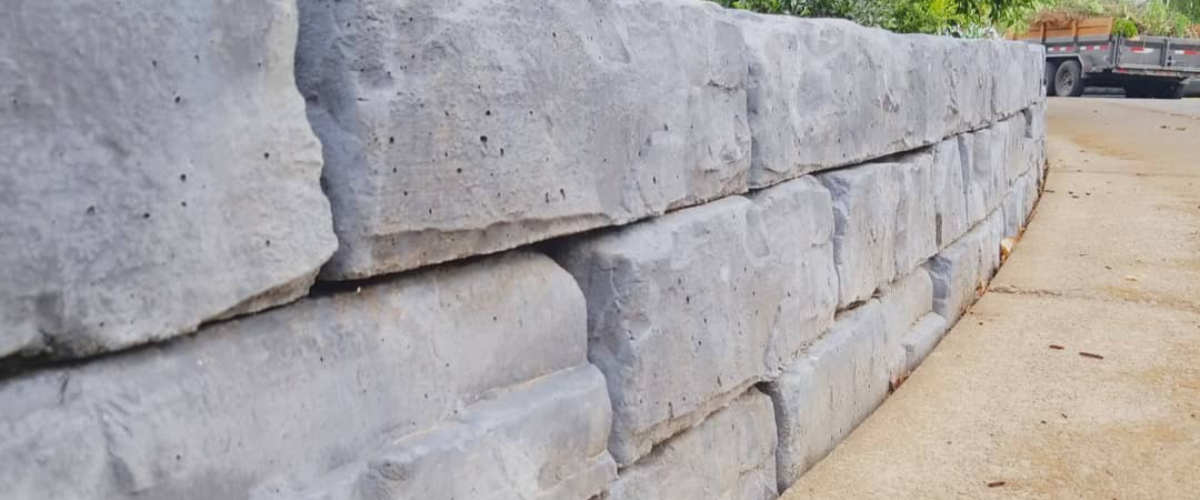
When Sloped Yards Need Retaining Walls
A sloped backyard can seem manageable at first, but on many Oregon City properties, the real issues show up over time. Soil starts washing downhill, water begins collecting where it should not, and parts of the yard become too steep to use for anything practical. In some cases, regrading can help. In others, it only shifts the problem around without truly solving it. At White Oak Landscapes, we help homeowners determine when a retaining wall is the safer and more effective long-term solution for a steep backyard.
If your yard is losing soil, staying saturated, or feels too sloped to enjoy, here is how to tell when a retaining wall makes more sense than regrading alone.
Why regrading isn’t always the right solution
Regrading can work when a slope is relatively minor and there is enough room on the property to reshape the land gradually. But many backyards in Oregon City, especially those on hillsides or narrower lots, do not have the extra space needed to spread out a steep grade without creating new drainage, space, or stability problems.
Unlike minor contour adjustments that are part of a typical landscaping project, major slope changes can create several issues if they are handled by moving soil alone.
What regrading alone can’t fix:
-
- Severe elevation changes
If the yard drops several feet in a short horizontal span, flattening that slope would require major excavation or fill work. That often creates instability and can drastically change how water moves through the property. - Property line constraints
Many Oregon City lots do not have enough depth to spread the slope out gradually without pushing soil toward fences, neighboring homes, or other structures. - Ongoing erosion
Steep exposed soil, even if it has been reshaped, can keep washing downhill during heavy rain if it is not structurally supported. - Drainage complications
Changing the shape of a slope without a full drainage plan can redirect runoff toward your foundation, patio, or lower yard areas. - Loss of usable space
Even after major regrading, the yard may still not be flat enough for a patio, lawn, play area, or comfortable outdoor gathering space.
- Severe elevation changes
In these situations, a properly built retaining wall does more than hold back soil. It creates stability, improves drainage, and gives you a more usable finished yard. At White Oak Landscapes, we often evaluate properties throughout Oregon City, West Linn, and Lake Oswego where previous regrading attempts never truly fixed the slope problem.
Our step-by-step retaining wall evaluation and installation process
When a sloped backyard needs a structural solution, the project has to be approached correctly from the beginning. Retaining walls are not simple decorative additions. They are load-bearing landscape features that manage soil pressure, control drainage, and protect the surrounding yard from movement and erosion.
Here is how we approach these projects.
1. On-site consultation and slope assessment
Every yard is different, so the first step is always a site-specific evaluation. We look at how the grade changes across the property, how water moves through the yard, and what the homeowner ultimately wants the space to become.
During this evaluation, we:
-
-
- Measure elevation changes and identify steep transition areas
- Evaluate soil conditions, drainage patterns, and signs of saturation
- Inspect for erosion, slope movement, or washout after storms
- Review property lines, setbacks, and access limitations
- Discuss your goals for the space, such as a patio, lawn, or improved backyard landscaping
-
If a retaining wall is the better solution, we explain where it is needed, what it will accomplish, and how it fits into the broader plan for your yard.
2. Detailed proposal and structural planning
Retaining wall construction in Oregon City has to account for wet winters, saturated soils, and changing grades. Proper drainage, base preparation, and wall design are what separate a long-lasting wall from one that starts leaning or failing too early.
Our proposal outlines:
-
-
- Recommended wall height, length, and layout
- Material selection based on structural requirements and the look of the property
- Drainage details such as gravel backfill and perforated drain pipe
- Compaction and reinforcement requirements for the site
- How the wall will tie into nearby patios, walkways, lawn, or planting areas
-
We also talk through project scope and budget expectations, including how retaining wall work often relates to our Landscape Pricing Guide and Hardscape Pricing Guide, so you have a realistic understanding before construction begins.
3. Professional excavation and wall construction
This is the phase that determines whether the wall will truly last. A retaining wall is only as strong as the base beneath it and the drainage behind it. Rushing excavation or skipping compaction is one of the main reasons retaining walls fail.
During construction, we:
-
-
- Excavate to the proper depth and width below grade
- Install and compact structural base material
- Set the first course precisely level for long-term stability
- Add drainage aggregate and perforated pipe behind the wall
- Backfill and compact in lifts so the area behind the wall does not settle later
-
This is not a project that should be treated like a weekend DIY build. In the Pacific Northwest, retaining wall failures are often caused by skipped drainage steps, shallow excavation, or poor compaction. Our walls are built to handle Oregon’s rainfall and the soil pressures that come with it.
4. Final grading, integration, and walkthrough
Once the wall is complete, the surrounding yard needs to be finished properly so the new structure works as part of the landscape rather than standing alone.
-
-
- Finish grading above and below the wall for a clean, usable layout
- Integration with patios, walkways, or lawn areas if part of the project
- Drainage tie-ins to protect adjacent surfaces and planting beds
- Optional planting improvements, irrigation adjustments, or landscape lighting
-
We walk you through the finished project and explain how the drainage and wall system work together so you understand how your slope is now being managed.
How do you know your slope needs a retaining wall?
There are several warning signs that tell you soil reshaping alone is probably not going to be enough.
If your backyard in Oregon City has any of the following conditions, a retaining wall may be the better solution:
-
- More than a few feet of elevation change in a relatively short distance
- Soil consistently washing downhill after storms
- Patio edges, foundations, or fence lines becoming exposed from erosion
- Limited lot depth that prevents the slope from being spread out naturally
- Plans for a future patio, lawn, or outdoor living feature that needs level ground
In many backyards, a properly designed wall does more than solve the slope problem. It also creates usable square footage that simple regrading would never be able to provide.
Combining retaining walls with full landscape improvements
A retaining wall is often the starting point for a much larger yard improvement. Once the slope is stabilized and level areas are created, homeowners can finally use that space in ways that were not possible before.
Homeowners frequently combine retaining walls with:
-
- Custom landscaping installations that soften the wall with plantings, mulch, and layered bed design
- New lawn or sod areas on stable, level ground
- Landscape lighting for safety and to highlight wall textures at night
- Patios and walkways that make the backyard more functional
- Ongoing landscape maintenance to keep surrounding beds, drainage, and planting areas in good condition
Because we handle both structural hardscaping and full-service landscaping, the retaining wall is designed as part of the complete yard plan, not as an isolated structure dropped into the slope.
How long does a retaining wall project take?
Most residential retaining wall projects take anywhere from several days to a couple of weeks depending on wall height, length, access, drainage complexity, and the condition of the soil. Multi-tiered walls or projects combined with patios, steps, or larger drainage upgrades can take longer.
Weather is also an important factor. In Oregon’s wet season, timing and soil conditions matter, and careful scheduling helps protect the site while ensuring the base and backfill are compacted correctly.
Caring for your new retaining wall
A well-built retaining wall should need very little day-to-day maintenance, but it still deserves occasional attention to make sure the surrounding conditions stay healthy.
We recommend:
-
- Keeping drainage outlets and nearby swales clear of debris
- Watching for unusual settlement after large storms
- Fixing irrigation leaks quickly so the soil behind the wall does not become oversaturated
- Scheduling periodic inspections for taller or more heavily loaded walls
Our landscape maintenance services can help protect the surrounding drainage, soil, and planting beds so your retaining wall continues performing the way it should.
Proudly serving Oregon City and surrounding communities
White Oak Landscapes provides expert retaining wall construction, hardscape installation, and full-service landscaping in:
-
- Oregon City
- West Linn
- Lake Oswego
- Wilsonville
- Happy Valley
- Tualatin
- Clackamas
- Canby
- Beavercreek
We understand the slope challenges, rainfall patterns, and soil conditions common throughout the Pacific Northwest, and we build retaining walls designed for real long-term performance.
Ready to stabilize your sloped backyard?
Create a safer, more usable yard with a retaining wall designed to handle Oregon City conditions.
If your backyard slope is limiting how you use the space or showing signs of erosion and movement, contact White Oak Landscapes today. We will evaluate the site, explain whether regrading or a retaining wall makes more sense, and provide a clear plan for protecting and improving your property.
Request your estimate now and take the first step toward a more stable and functional backyard.