Why Small Retaining Walls Fail and How to Fix
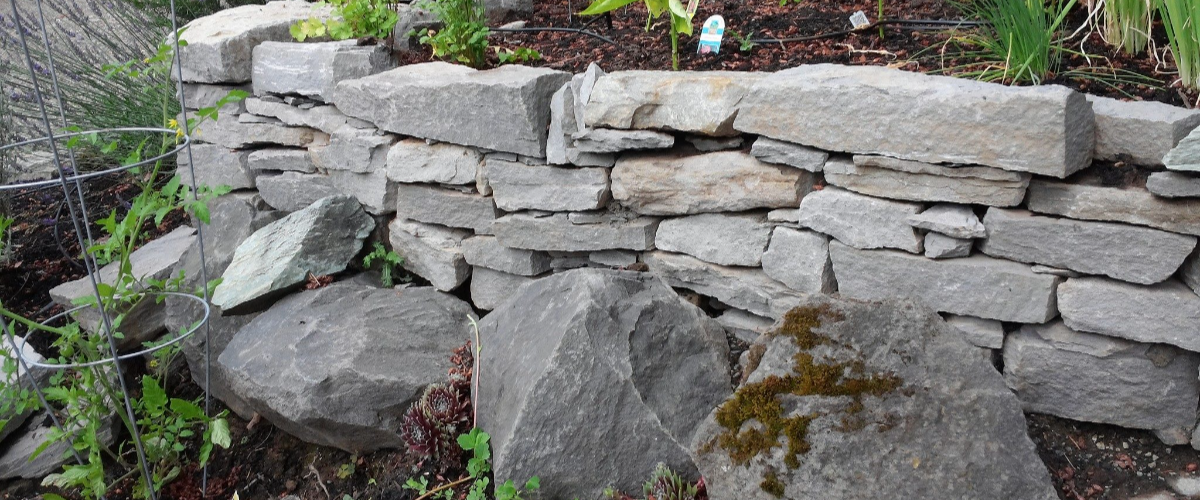
Small retaining walls in garden beds often look simple, but they carry more responsibility than most homeowners realize. When these low walls begin to lean, separate, or collapse, it is usually because they were built like decorative edging instead of structural elements.
At White Oak Landscapes, we frequently rebuild failed garden retaining walls that were originally installed without proper base preparation or drainage. If your wall is shifting or showing cracks, here is why that happens and how to rebuild it the right way.
Why small retaining walls fail so often
Because these walls are shorter, many people assume they do not need the same structural attention as taller retaining walls. That assumption leads to shortcuts during installation.
Even a wall that is only 18 to 30 inches tall is holding back soil. When that soil becomes saturated during Oregon’s rainy seasons, it creates pressure that pushes against the wall.
Common causes of failure:
-
- No compacted base
Blocks set directly on soil will settle unevenly. Without a compacted gravel base, the wall shifts over time. - Poor drainage behind the wall
Water trapped behind the wall increases pressure and causes bowing or collapse. - Incorrect block choice
Decorative landscape blocks without interlocking features are often used in place of structural retaining wall systems. - Improper backfill material
Using native clay soil instead of drainage rock traps moisture behind the wall. - No geotextile separation
Without fabric, soil migrates into the drainage aggregate and reduces effectiveness over time.
- No compacted base
These problems are especially common in garden beds where walls are built quickly to define space without addressing what is happening below the surface.
Signs your garden retaining wall is failing
If you notice movement, it is important to address it early before a full collapse occurs.
Watch for:
-
- Blocks leaning forward
- Gaps forming between joints
- Bulging in the center of the wall
- Cracking or crumbling blocks
- Soil washing out from behind the wall
Even minor shifting is usually a sign that the base or drainage system was inadequate.
Why patching rarely solves the problem
Homeowners sometimes try to straighten leaning blocks or add extra soil behind the wall. Unfortunately, these are temporary fixes.
If the base has settled or drainage was never installed, the underlying problem remains. Simply resetting the top course does not correct compaction issues beneath the wall.
In most cases, rebuilding the wall correctly is the only long-term solution.
Our step-by-step process to rebuild small retaining walls correctly
At White Oak Landscapes, we approach even small garden retaining walls with the same structural care as larger installations.
1. Careful demolition and site evaluation
We begin by removing the existing wall materials and excavating the base area.
During this phase, we:
-
-
- Assess soil conditions
- Identify drainage issues
- Determine proper excavation depth
- Remove unstable or water-saturated soil
-
This ensures the rebuild starts on stable ground.
2. Proper excavation and base preparation
The most critical step in rebuilding is base preparation.
We:
-
- Excavate to a depth below finished grade
- Install compacted structural base rock
- Ensure the first course sits perfectly level
Even for short walls, a solid base prevents settling and future movement.
3. Drainage installation and reinforced backfill
Drainage is what keeps the wall from being pushed forward by saturated soil.
-
- Install drainage aggregate directly behind the wall
- Add perforated drain pipe when height or soil conditions require it
- Place geotextile fabric to separate soil from drainage rock
- Backfill and compact in controlled layers
This allows water to move away from the wall instead of building pressure behind it.
4. Finish grading and integration with the garden bed
After reconstruction, we restore the surrounding garden bed and ensure proper water flow.
-
- Final grading for positive drainage
- Mulch or decorative rock installation
- Irrigation adjustments to prevent oversaturation
- Optional planting updates or edging improvements
We can also integrate landscape lighting to highlight the rebuilt wall and surrounding plantings.
Choosing the right materials for longevity
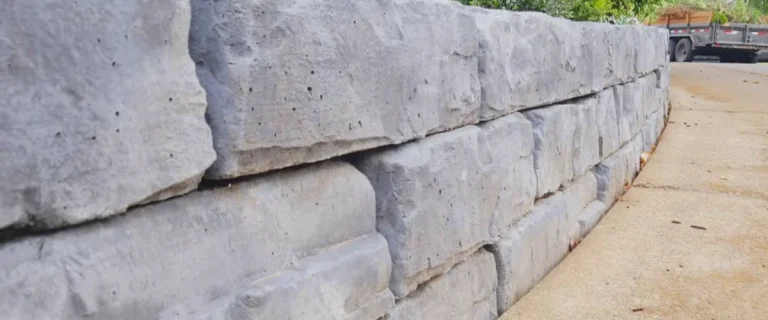
Not all retaining wall blocks are created equal. Interlocking concrete block systems designed specifically for retaining walls provide better stability than basic stackable bricks.
Material selection affects cost, which is why we reference our Hardscape Pricing Guide during consultations. The guide explains how wall height, block choice, and site conditions influence investment.
Choosing structural-grade materials reduces the likelihood of future rebuilds.
How long does rebuilding take?
Most small retaining wall rebuilds can be completed within a few days depending on length, access, and weather. Larger or multi-tiered garden beds may require additional time.
Proper installation cannot be rushed. Compaction and drainage setup are critical steps that require attention to detail.
Maintaining your rebuilt wall
After reconstruction, ongoing care protects your investment.
We recommend:
-
- Keeping drainage outlets clear
- Monitoring irrigation to avoid excessive watering
- Refreshing mulch annually to maintain soil moisture balance
- Scheduling periodic inspections if soil movement was previously severe
Our landscape maintenance services help ensure surrounding plantings and drainage systems remain in good condition.
Proudly serving Oregon City and surrounding communities
White Oak Landscapes provides professional retaining wall construction, garden bed installation, and full-service landscaping in:
-
- Oregon City
- West Linn
- Lake Oswego
- Tualatin
- Milwaukie
- Damascus
- Happy Valley
- Clackamas
- Canby
- Beavercreek
We understand how Pacific Northwest soil and rainfall affect small retaining walls and build solutions designed for long-term stability.
Ready to rebuild your failing garden wall correctly?
Fix the problem at its source with a professionally rebuilt retaining wall.
If your small retaining wall is leaning or collapsing, contact White Oak Landscapes today. We will evaluate the failure, explain what went wrong, and rebuild it with proper base preparation and drainage.
Request your estimate now and restore stability to your garden beds.